Teil der Reihe: Economics and Finance (R0)

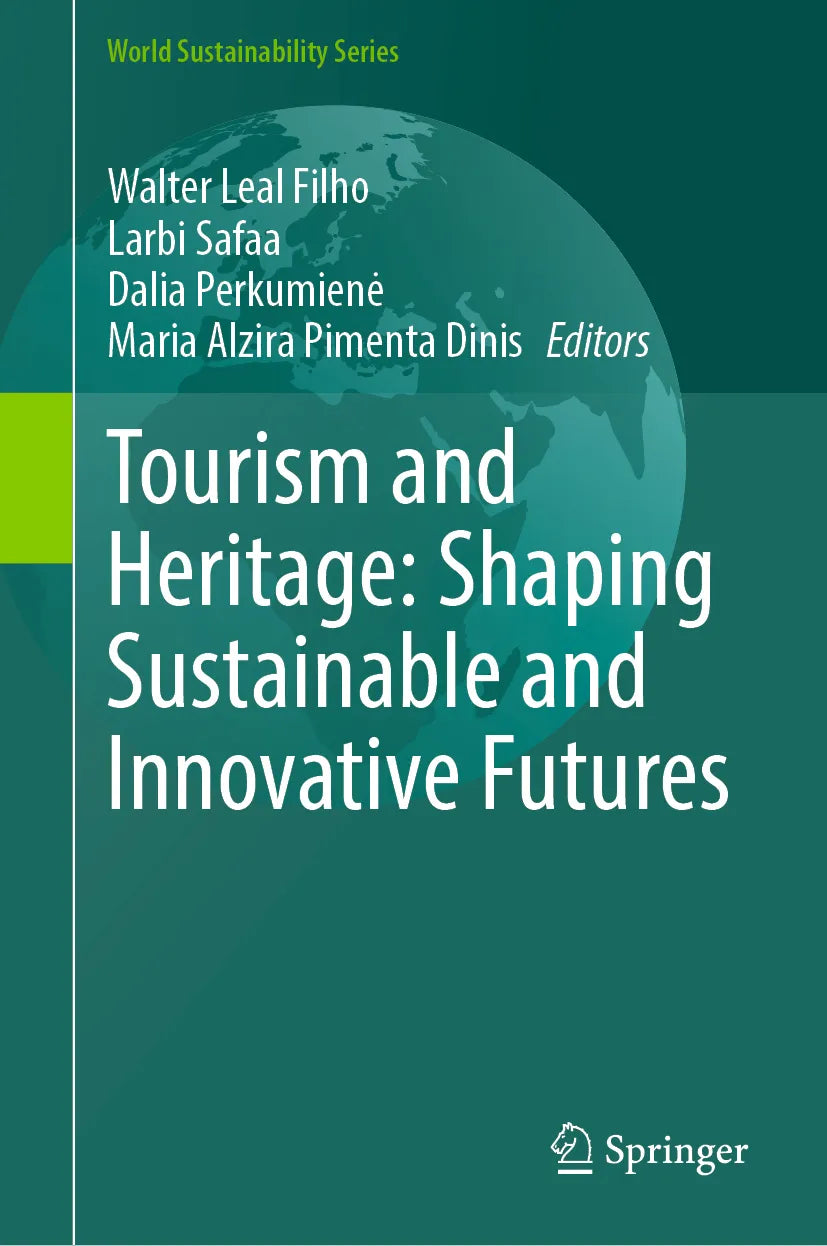
Tourism and Heritage: Shaping Sustainable and Innovative Futures

Angebot€234,33
inkl. MwSt. • Kein physischer Versand
Sofort per Download lieferbar
Ihr Downloadlink kommt direkt per E-Mail.
PDF: lesbar auf Smartphone, Tablet, Computer und in vielen PDF-Apps.

E-Book
eBook-Format:PDF
14 Tage Widerrufsrecht
Sicher bezahlen – auch auf Rechnung mit Klarna
PayPal Klarna Visa Mastercard Maestro Apple Pay Google Pay
Inhaltsangabe

Sustainable Management of Intangible Cultural Heritage - Tourism Partnership: Suggesting an Approach to Improving Contribution and Assessing Performance.- A Comprehensive Insight into Religious Tourism Research Trends with Case Studies from Spain and Saudi Arabia: Constructing a Co-Word Network Using the Leiden Clustering Algorithm and a Thematic Map.- An Examination of Visitors' Experiential Learning from North African Ethnic Exhibits in Moroccan Museums Using Large Language Model-Based Artificial Intelligence: A Case Study of Berber Cultural Heritage.- Experiential Tourism: A Conceptual and Functional Analysis.- Tourism Experience Unfolded: Three Decades of Scholarly Insights and Evolutionary Trends (1996-2024).- Socially Responsible Behaviour of Tourism Businesses in the Provision of Accommodation Services.- Social Responsibility in Tourism: Case of Air Transport Services.- Animal Rights as a Perception of Social Responsibility in Tourism and Recreational Activities.- Challenges of Ensuring the Implementation of Consumers' Right to Information in the EU Tourism Services Market.- The Responsibility Arising from the Contracts of Tourists Carriage by Air Transport. Analysis of the Spanish Legislation and Jurisprudence.- Ecotourism as an Expression of a Person’s Right to a Clean and Safe Environment.- The Ways to Promote Sustainable Tourism in the City of Vilnius as the Name of the European Green Capital.- Promoting of the Sustainable Tourism in Ilzenberg Manor. Case Study of Lithuania.- Society's Relationship with the Forest and Forest Recreation and Tourism Trends.- Territorial Marketing and Regional Development: Optimizing the Touristic Attractiveness of Drâa Tafilalet Region.- Possibilities and Smart Solutions for the Accessibility of Events for Tourists with Mobility Disabilities.- The Role of Artificial Intelligence in Cybercrime in the Tourism Sector.- Legal Issues of Personal Data Protection in the Electronic Space Related to Tourists’ Data.- Management of Modern Organisations in the Context of Lithuanian Smart Tourism.- Identifying of Influencer Rights and Legitimate Interests: A User Narrative of a Smart Tourism Organization.- Mapping of Tourism E-Reputation: Characterization of a Decade and a Half of Literature.- Segmentation of the Leisure Services Market for the Improvement of the Implementation of Tourists' Needs: The Case of the Lithuanian Recreation Park.- Accessibility of Urban Park as a Public Space for a Tourists ‘Leisure Time.- Financial Determinants of Firm Survival in the Belgian Tourism Sector: Insights for Sustainable and Resilient Futures.- The Impact of COVID -19 On The Financial Health of Lithuanian Tourism Sector.- Laziness-work Balance: Perceived Leisure and Tourism Support.- Authenticity, A Seminal Concept in Tourism Research: What Does A Relational Bibliometrics Say?.

Produktdetails
  • Erscheinungsdatum: 25.05.2025
  • Autor/Autorin: Walter Leal Filho
  • Reihe: Economics and Finance (R0)
  • Format: E-Book
  • Dateiformat: PDF
  • Kopierschutz: Wasserzeichen
  • Dateigröße: 17.1 MB
  • Verlag: SPRINGER
  • Sprache: Englisch
  • Umfang: 460 Seiten
  • ISBN: 9783031814853
  • Lieferung: Sofort per Download
  • Hinweis: Sofort per Download lieferbar. Kein physischer Versand.
  • Kompatibilität: Lesbar auf Geräten und Apps mit PDF-Unterstützung.
Herstellerinformationen
Springer Nature Customer Service Center GmbH

Email: ProductSafety@springernature.com

Weitere E-Books von Walter Leal Filho

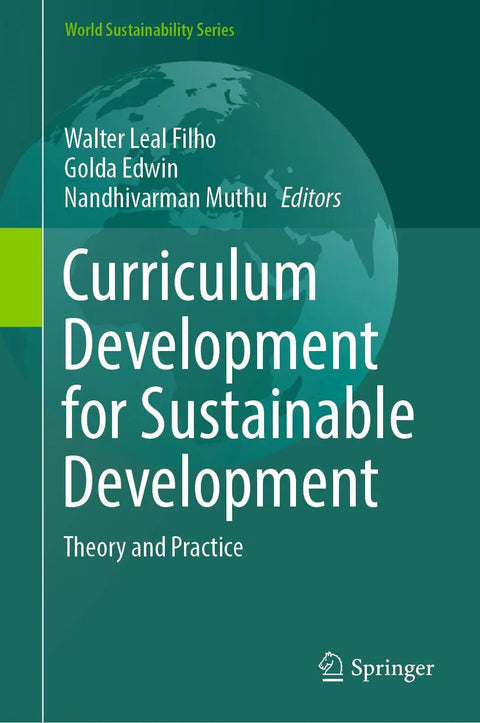
Curriculum Development for Sustainable Development

€171,19

Chapter 1. Envisioning Eco-centric Frameworks for Curriculum Development and Implementation in the Anthropocene.- Chapter 2. Envisioning Eco-centric Frameworks for Curriculum Development and Implementation in the Anthropocene.- Chapter 3. Pedagogy for sustainable futures: Integrating culture for comprehensive sustainability learning.- Chapter 4. Artificial Intelligence and Sociodigital Futures: Curricular Experiences for Sustainable and Immersive Education.- Chapter 5. Embedding Sustainability: Case Studies of Successful Curriculum Models for a Greener Future.- Chapter 6. Integrating sustainability teaching in higher education in South Africa: critical reflections.- Chapter 7. Scaffolding Sustainability Curriculum Within and Across Institutions: A Cautionary Tale.- Chapter 8. Walking the Sustainability Talk: The Case of a Higher Education Institution.- Chapter 9. Policy Innovations for Sustainability Education: Challenges, Opportunities and Lessons from Namibia and Ghana in Green Curriculum Development.- Chapter 10. Integrating Education for Sustainable Development in Teacher Training Curricula: A Comparative Analysis of Finland and Ghana.- Chapter 11. Co-developing European curricula and resources for sustainability (teacher) education: the case of Teacher Academy Project-Teaching Sustainability.- Chapter 12. Investigating Teacher Turnover in Namibia’s Education System: Implications for Sustainable Curriculum Development in the Kandjimi-Murangi Circuit.- Chapter 13. The pond as an educational context for early childhood science and sustainability learning.- Chapter 14. Developing a Scalable Online Ecology Course with 4DEE.- Chapter 15. Serious Games as Pedagogical Practice(s) for Teaching Sustainability.- Chapter 16. Sustainable Development in Practice: Applying a Learner-Centred Approach to Sustainable Development e-Curricula.- Chapter 17. How to Make a Difference: Capacities and Processes for Teaching Community Engagement in Higher Education.- Chapter 18. Envisioning Pathways for Building Sustainable Communities: A University Coursework Research Agenda.- Chapter 19. From theory to practice: rethinking the sustainable design curriculum in Mexico through complexity and participation.- Chapter 20. Teaching Sustainability in Interior Design: Interdisciplinary Approaches and Pedagogical Strategies from a Portuguese Higher Education Context.- Chapter 21. Integrating Design, Project Management, and People Management in Sustainable and Innovative Learning Processes.- Chapter 22. Advancing Sustainability Education through Capstone Curriculum.- Chapter 23. Integrating Sustainability and Practice into Engineering Education: An Interdisciplinary Curriculum Model in Côte d’Ivoire.- Chapter 24. Subnational Climate Planning Education: Meeting the Needs of the Coalition for High Ambition Multilevel Partnerships through Penn State’s Local Climate Action Program.- Chapter 25. Educating for Environmental Character: Findings from a University Course in Sustainability Studies.

Zum Buch