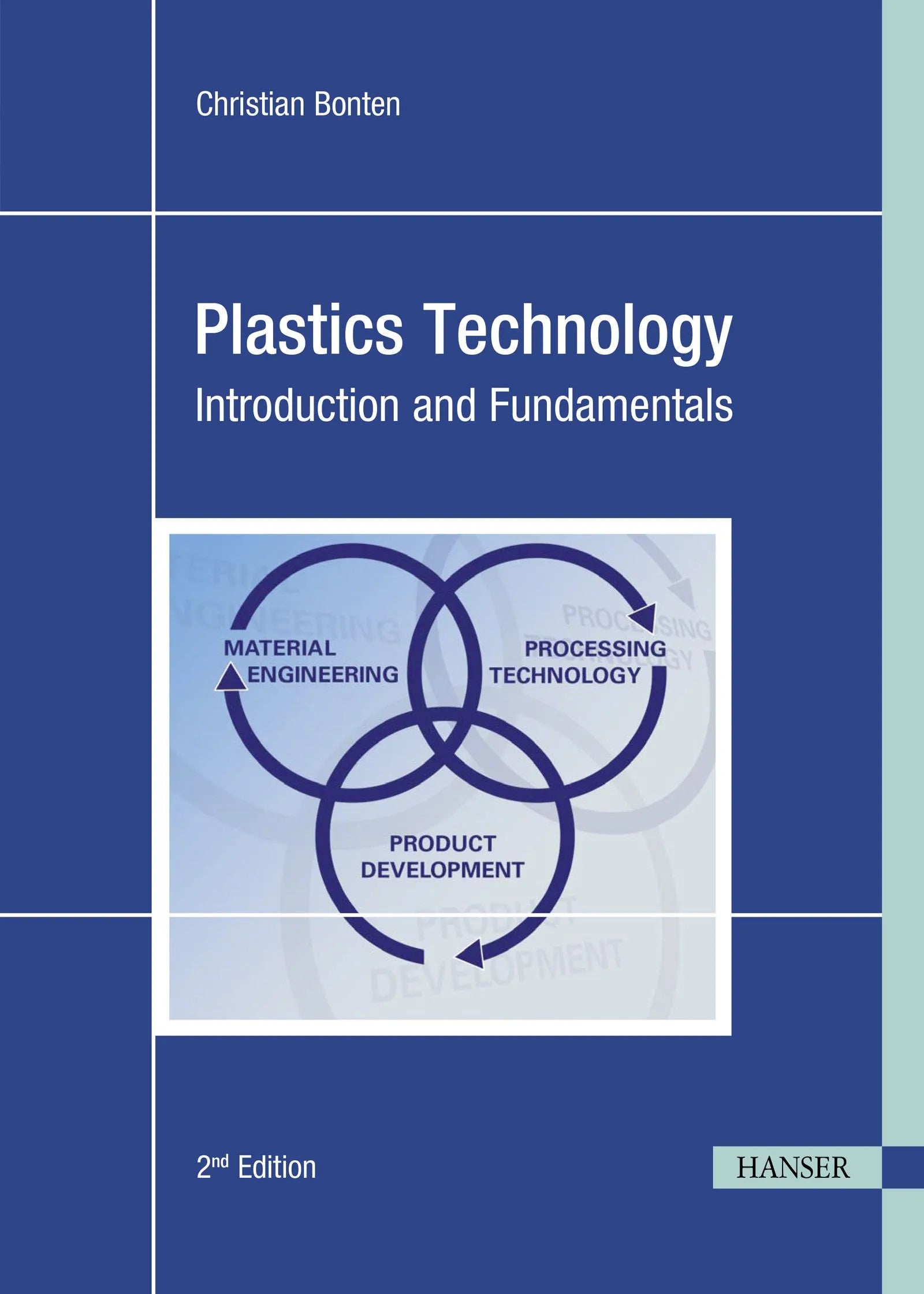
Plastics Technology

Introduction and Fundamentals
Angebot€129,99
inkl. MwSt. • Kein physischer Versand
Lieferbar ab 10.08.2026
Vorbestellung als E-Book. Download ab Erscheinungstag verfügbar.
Ihr Downloadlink kommt zum Erscheinungstag per E-Mail.
PDF: lesbar auf Smartphone, Tablet, Computer und in vielen PDF-Apps.

E-Book
eBook-Format:PDF
Inhaltsangabe
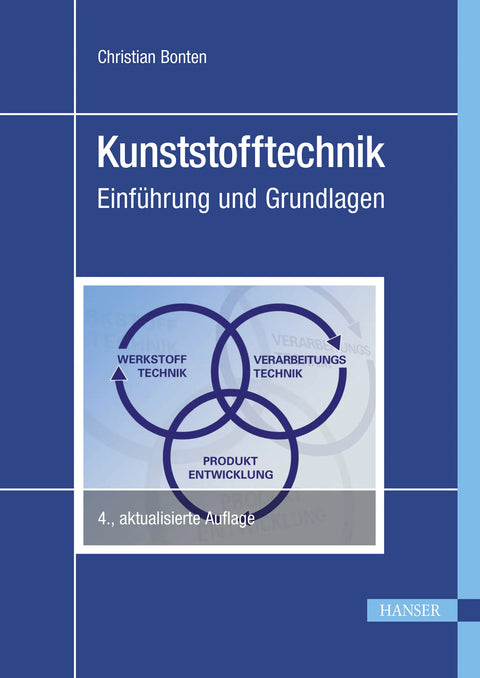
This introductory book covers the entire spectrum of the plastics technology/engineering, from raw material to finished plastic products. It is intended not just for university/college students in plastics technology and other engineering disciplines but also for beginners to the field in general. The interconnectivity between the different relevant knowledge areas of plastics technology, such as materials engineering, processing technology, and product development, is emphasized. A chapter “Plastics and the Environment” is also included, covering a topic (rightly) often of great concern to students and newcomers to the field. Also includes numerous videos, conveniently linked via QR codes, to better demonstrate key processes visually. The entire field of plastics engineering is presented in a coherent manner: • An introductory chapter provides insight into the history of plastics, points out the many possible applications, and explains the high affinity of many designers for this material. • The chapter on fundamentals offers the reader a brief but necessary introduction to polymer chemistry and general materials mechanics. • The three main chapters on materials engineering, processing technology, and product development form the core of the book. • Materials engineering: Behavior in the melt, behavior of the solid, influence of additives, “from polymer to plastic” through processing, process-structure properties, influence of aging, overview of important plastics • Processing technology: extrusion, injection molding, processing of cross-linking molding compounds, fiber-reinforced composites, thermoforming, welding, bonding, coating • Product development: unique selling points of plastics, geometric subdivision of components, designing with plastics, use of prototypes • Finally, the chapter “Plastics and the Environment” provides insight into the topics of plastic waste, critical substances in plastics, bioplastics, and resource conservation. Commonly held views are contrasted with publicly available facts. Plastics are given a new image. This 2nd edition has been updated throughout, particularly in the chapter “Plastics and the Environment.”
Produktdetails
  • Erscheinungsdatum: 10.08.2026
  • Autor/Autorin: Christian Bonten
  • Format: E-Book
  • Dateiformat: PDF
  • Kopierschutz: Wasserzeichen
  • Dateigröße: 71.6 MB
  • Auflage: 2. Auflage
  • Verlag: HANSER, CARL
  • Sprache: Englisch
  • ISBN: 9781569909805
  • Lieferung: Download ab 10.08.2026
  • Hinweis: Vorbestellung. Verfügbar per Download ab Erscheinungstag. Kein physischer Versand.
  • Kompatibilität: Lesbar auf Geräten und Apps mit PDF-Unterstützung.
Herstellerinformationen
Carl Hanser Verlag GmbH & Co.KG
Vilshofener Straße 10
81679 München
DE

Email: info@hanser.de

Weitere E-Books von Christian Bonten

Kunststofftechnik

€69,99
Ein Buch nicht nur für Studenten der Kunststofftechnik, sondern auch für den Einsteiger in diese aufregende Branche: Neue Einsichten über als bekannt geglaubte Zusammenhänge werden erklärt: Das Buch stellt z. B. heraus, dass elastisch oft gesagt wird, wenn dehnfähig gemeint ist. Dass es eigentlich keinen spröd/zäh-Übergang gibt. Es heißt nicht Wandstärke, sondern Wanddicke und es gibt gar keine Polymerverarbeitung, da Polymere keine Kunststoffe sind. Die gesamte Kunststofftechnik wird zusammenhängend dargestellt: • Ein einleitendes Kapitel gibt Einblick in die Geschichte der Kunststoffe, weist auf die vielen Einsatzmöglichkeiten hin und begründet die hohe Affinität vieler Designer. • Das Grundlagenkapitel bietet dem Leser eine kleine, aber notwendige Einführung in die Polymerchemie sowie in die allgemeine Werkstoffmechanik. • Im Anschluss bilden die drei großen Kapitel Werkstofftechnik, Verarbeitungstechnik und Produktentwicklung den Kern des Buches. • Werkstofftechnik: Verhalten in der Schmelze, Verhalten des Festkörpers, Beeinflussung durch Zusatzstoffe, »von Polymer zu Kunststoff« durch Aufbereitung, Prozess-Struktur-Eigenschaften, Einfluss durch Alterung, Übersicht über wichtige Kunststoffe • Verarbeitungstechnik: Extrusion, Spritzgießen, Verarbeitung vernetzender Formmassen, Faserkunststoffverbunde, Thermoformen, Schweißen, Kleben, Beschichten • Produktentwicklung: Alleinstellungsmerkmale der Kunststoffe, geometrische Unterteilung von Bauteilen, Konstruieren mit Kunststoffen, Nutzung von Prototypen • Abschließend gibt das Kapitel »Kunststoffe und Umwelt« Einblick in die Themen Kunststoffabfälle, kritische Substanzen in Kunststoffen, Biokunststoffe und Ressourcenschonung. Dabei werden häufig verbreitete Ansichten öffentlich-zugänglichen Fakten gegenübergestellt. Kunststoffe erhalten ein neues Image. Die vorliegende 4. Auflage ist durchgehend aktualisiert, insbesondere im Kapitel »Kunststoffe und Umwelt«.
Zum Buch