Teil der Reihe: Law and Criminology (R0)
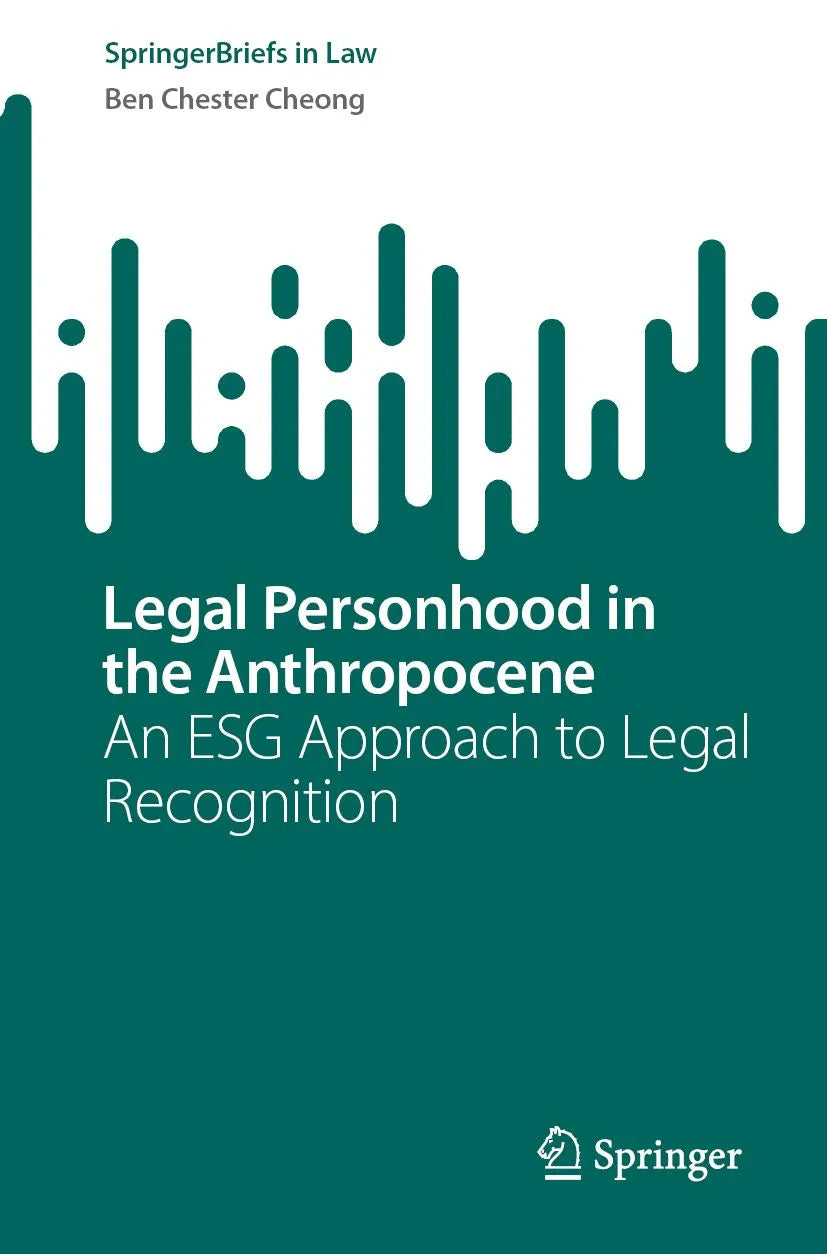
Legal Personhood in the Anthropocene
Inhaltsangabe
Claims to legal personhood have expanded dramatically beyond traditional boundaries to encompass rivers, future generations, and potentially artificial intelligence and animals. Yet many such initiatives fail, collapsing into symbolic gestures without practical effect. This book argues that these failures stem not only from fragmented approaches that privilege one dimension—environmental protection, governance efficiency, or social equity—while neglecting others, but also from treating legal personhood itself as a solution rather than as a regulatory tool requiring careful institutional design. Corporate personhood evolved alongside increasingly sophisticated governance structures that often externalised environmental and social costs. Environmental personhood emerged from ecological imperatives but frequently faltered due to weak governance structures and contested legitimacy, as illustrated by the contrast between New Zealand’s comparatively robust Whanganui River framework (comprehensive governance, dedicated funding, and integration of tikanga Māori) and India’s subsequently stayed river-personhood orders (minimal resources, unclear authority, and exclusionary framing). The book develops an integrated Environmental, Social, and Governance (ESG) framework establishing three interlocking criteria: environmental integrity, social equity, and governance feasibility. These function not as independent variables but as mutually constitutive requirements—environmental objectives require governance mechanisms and social legitimacy; governance arrangements require environmental purpose and social legitimation; social acceptance depends on environmental outcomes and governance processes. Through comparative analysis across multiple jurisdictions, the book shows how ESG can evaluate personhood regimes and, crucially, serve as a pre-recognition diagnostic for determining when governance should proceed through alternative legal architectures rather than through the creation of new legal persons. In doing so, it reframes personhood as an instrument of institutional design rather than a metaphysical status, offering practical guidance for judges, legislators, advocates, and administrators addressing environmental crisis, technological change, and evolving governance demands in the Anthropocene.
Produktdetails
- Erscheinungsdatum: 26.09.2026
- Autor/Autorin: Ben Chester Cheong
- Reihe: Law and Criminology (R0)
- Format: E-Book
- Dateiformat: PDF
- Kopierschutz: Wasserzeichen
- Dateigröße: 3.7 MB
- Verlag: SPRINGER
- Sprache: Englisch
- Umfang: 126 Seiten
- ISBN: 9783032413611
- Lieferung: Sofort per Download
- Hinweis: Sofort per Download lieferbar. Kein physischer Versand.
- Kompatibilität: Lesbar auf Geräten und Apps mit PDF-Unterstützung.
Offers a holistic analysis of legal personhood, setting it apart from works that focus on a single aspect Draws upon case law from various jurisdictions, providing a global perspective on legal personhood Combines legal analysis with ethical and sustainability considerations
Herstellerinformationen
Email: ProductSafety@springernature.com
Wird oft zusammen gekauft