Teil der Reihe: Behavioral Science and Psychology (R0)
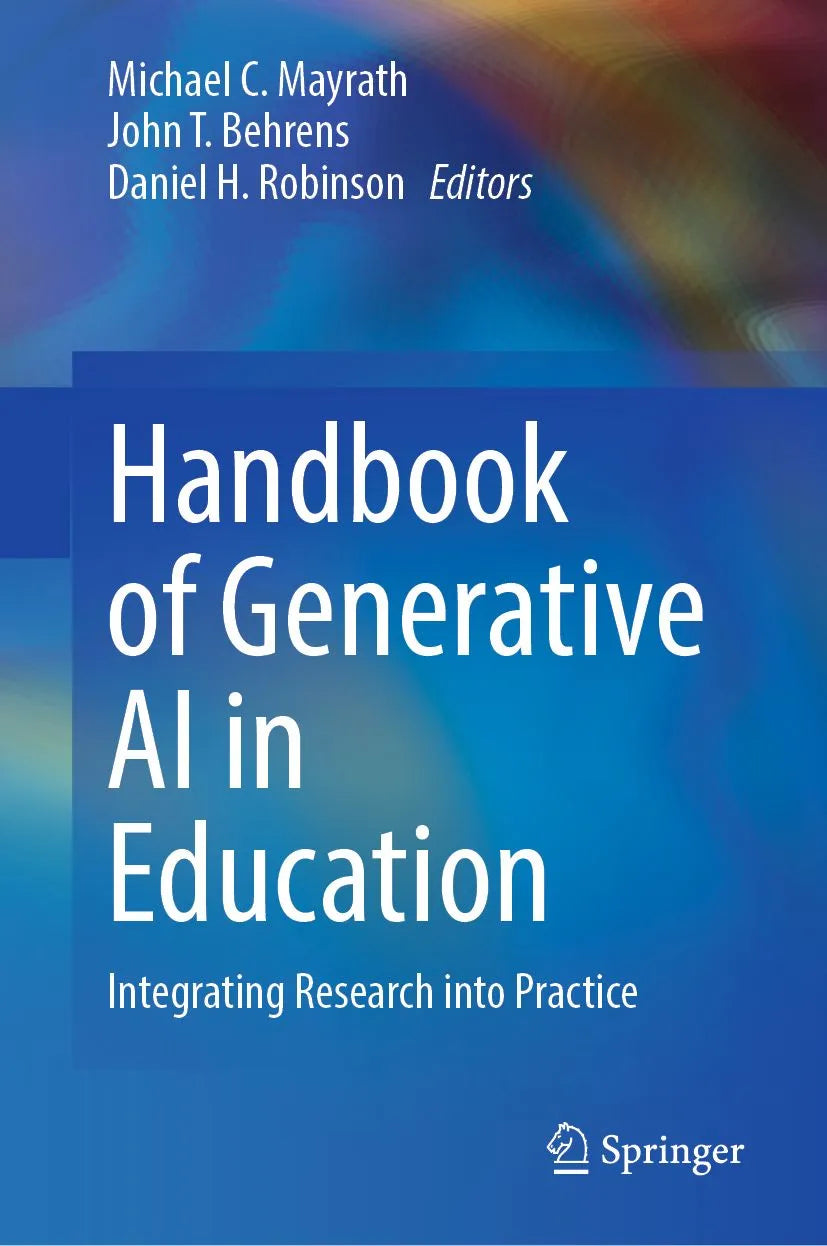
Handbook of Generative AI in Education
Inhaltsangabe
Part I. Vision, Context, and Core Frameworks.- Chapter 1. Introduction to Generative AI in Education.- Chapter 2. A Primer on Generative AI Technologies and Their "Psychology".- Chapter 3. Exploring the Effects of Generative AI on Learning Using the ISAR Model.- Chapter 4. Scaling Generative and Agentic AI in Education: Market Dynamics, Workforce Transformation, and the Reality Gap.- Chapter 5. Social and Ethical Dimensions to GenAI in Higher Education.- Chapter 6. From Consumers to Creators: Why Educators Must Shape the GenAI Future.- Part II. Human-Centered Learning Sciences.- Chapter 7. Science Literacy: Generative AI as Enabler of Coherence in the Teaching, Learning, and Assessment of Scientific Knowledge and Reasoning.- Chapter 8. Harnessing Generative AI to Foster Self-Regulated Learning in Game-Based Simulations: A Multimodal Trace Data Approach.- Chapter 9. Generative Artificial Intelligence and Independent Learning: Evaluating Emerging Tools for Effectiveness.- Chapter 10. Human-Centered Approaches to Generative AI in Education.- Chapter 11. Human–AI Interaction in Higher Education: A Cognitive Perspective on AI-Supported Student Learning.- Part III. Pedagogical Innovation and Instructional Design.- Chapter 12. From Prompt to Practice: Using the PROSE Model for Constructive Alignment in Course Design and Teaching with Generative AI.- Chapter 13. Generative AI in Adult Online Learning: A Systematic Review of Research and Practice.- Chapter 14. Advancing Medical Education: The AI-Powered Dynamic Classroom.- Chapter 15. Reimagining Pedagogy with AI: Toward a Future of Learning Through Creation.- Part IV.Assessment, Evidence, and Learning Analytics.- Chapter 16. Tracking Changes in JeepyTA’s Feedback Across Writing Assignments.- Chapter 17. Exploring the Use of Neuro-Symbolic Approaches to Identify and Aggregate Evidence in Educational Assessment.- Chapter 18. Modeling Interactions Between Learners and Generative Artificial Intelligence Using Epistemic Frameworks.- Chapter 19. How Generative AI Helps Educational Assessment: Various Roles It Plays in Educational Measurement Research.- Chapter 20. The Semblance of Sense: A Quantitative Ethnographic Framework for Analyzing Human–AI Collaboration.- Chapter 21. Assessing and Supporting Collaboration Skills Through Generative AI.- Chapter 22. Conversational Assessment Powered by Generative AI.- Part V. Emerging Horizons and Closing Perspectives.- Chapter 23. Using GenAI with Knowledge-Based AI to Support Metacognition in AI Agents.- Chapter 24.Future Directions in Research and Practice.
Produktdetails
- Erscheinungsdatum: 12.09.2026
- Autor/Autorin: Michael C. Mayrath
- Reihe: Behavioral Science and Psychology (R0)
- Format: E-Book
- Dateiformat: PDF
- Kopierschutz: Wasserzeichen
- Dateigröße: 38.8 MB
- Verlag: SPRINGER
- Sprache: Englisch
- Umfang: 712 Seiten
- ISBN: 9783032248190
- Lieferung: Sofort per Download
- Hinweis: Sofort per Download lieferbar. Kein physischer Versand.
- Kompatibilität: Lesbar auf Geräten und Apps mit PDF-Unterstützung.
Discusses GenAI use in transforming education within the context of risks, ethical concerns, and other negative impacts Explores how GenAI may create new possibilities for research and application in teaching, learning, and assessment Addresses significant challenges GenAI use may pose for instructors, students, administrators and researchers
Herstellerinformationen
Email: ProductSafety@springernature.com
Wird oft zusammen gekauft