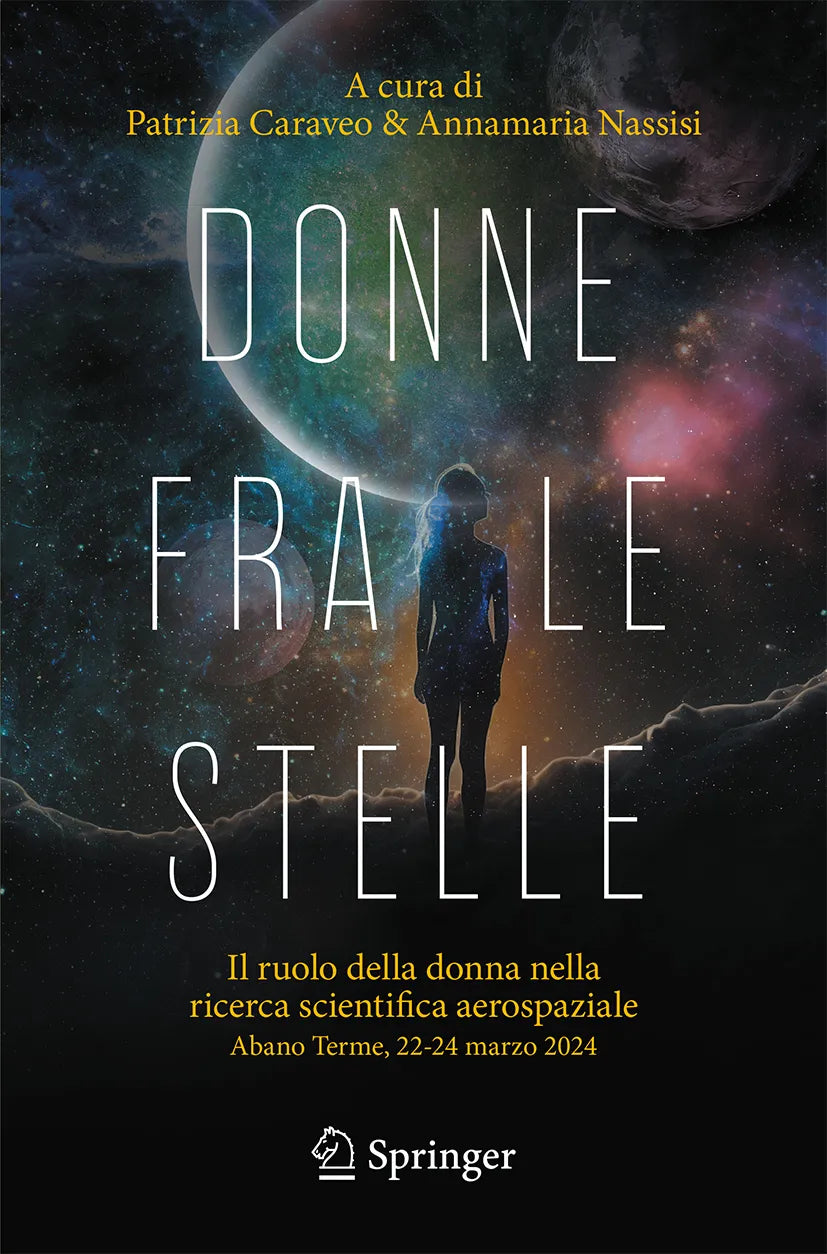
Donne fra le stelle

Il ruolo della donna nella ricerca scientifica aerospaziale, Abano Terme 22- 24 marzo 2024
Angebot€29,99
inkl. MwSt. • Kein physischer Versand
Sofort per Download lieferbar
Ihr Downloadlink kommt direkt per E-Mail.
PDF: lesbar auf Smartphone, Tablet, Computer und in vielen PDF-Apps.

E-Book
eBook-Format:PDF
✓14 Tage Widerrufsrecht
✓Sicher bezahlen – auch auf Rechnung mit Klarna
PayPal Klarna Visa Mastercard Maestro Apple Pay Google Pay
Inhaltsangabe

La ricerca di base e le leggi che regolano il nostro universo.- Sostenibilità dell'esplorazione dello spazio.- Il ruolo di Women in Aerospace Europe.- Esplorazione del sistema solare.- Donne STEM nell'industria.- AISE ed il ruolo delle donne nell'Ingegneria di sistema.- Divulgazione ed innovazione.- Esplorazione e volo umano.- Spazio e tecnologie innovative.

Produktdetails
  • Erscheinungsdatum: 26.06.2025
  • Autor/Autorin: Patrizia Caraveo
  • Reihe: Italian language eBook collection
  • Format: E-Book
  • Dateiformat: PDF
  • Kopierschutz: Wasserzeichen
  • Dateigröße: 26.4 MB
  • Verlag: SPRINGER
  • Sprache: ITA
  • Umfang: 150 Seiten
  • ISBN: 9783031838231
  • Lieferung: Sofort per Download
  • Hinweis: Sofort per Download lieferbar. Kein physischer Versand.
  • Kompatibilität: Lesbar auf Geräten und Apps mit PDF-Unterstützung.
Herstellerinformationen
Springer Nature Customer Service Center GmbH

Email: ProductSafety@springernature.com

Weitere E-Books von Patrizia Caraveo

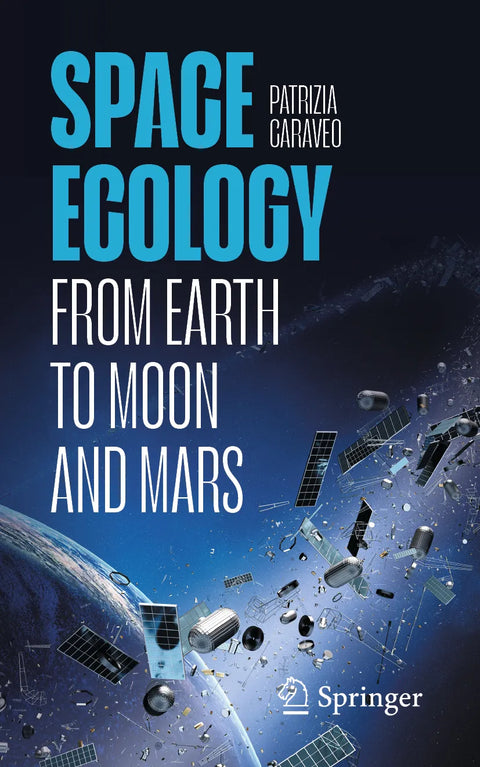
Space Ecology

€32,09

Space ecology.- Terrestrial - space as part of the environment to be preserved.- Low Earth Orbit - the proliferation of constellations and the dangers of collisions.- Avoiding Kessler syndrome.- Orbital traffic and the need to regulate it.- In-orbit refueling to limit the number of launches.- Debris-norms for the re-entry of satellites and launcher parts.- Atmospheric pollution caused by launch exhaust and debris from satellite destruction upon reentry into the atmosphere.- Lunar ecology.- Eco-sustainable exploitation.- The problem of dust (charged and toxic).-  Preserving “historic” places (which do not belong to any state but should be protected).- Avoid electromagnetic pollution of the moon's hidden face to allow construction of radio telescopes.- Planetary  protection beware of contamination- goes both ways.- Quarantined lunar astronauts (but we now know that the measures were not effective).- Sterilized probes (as much as possible) to avoid carrying our bacteria around the solar system.- Cospar regulations for planetary protection.- Space Law.- 1967 UN treaty.- National laws and international agreements.
Zum Buch