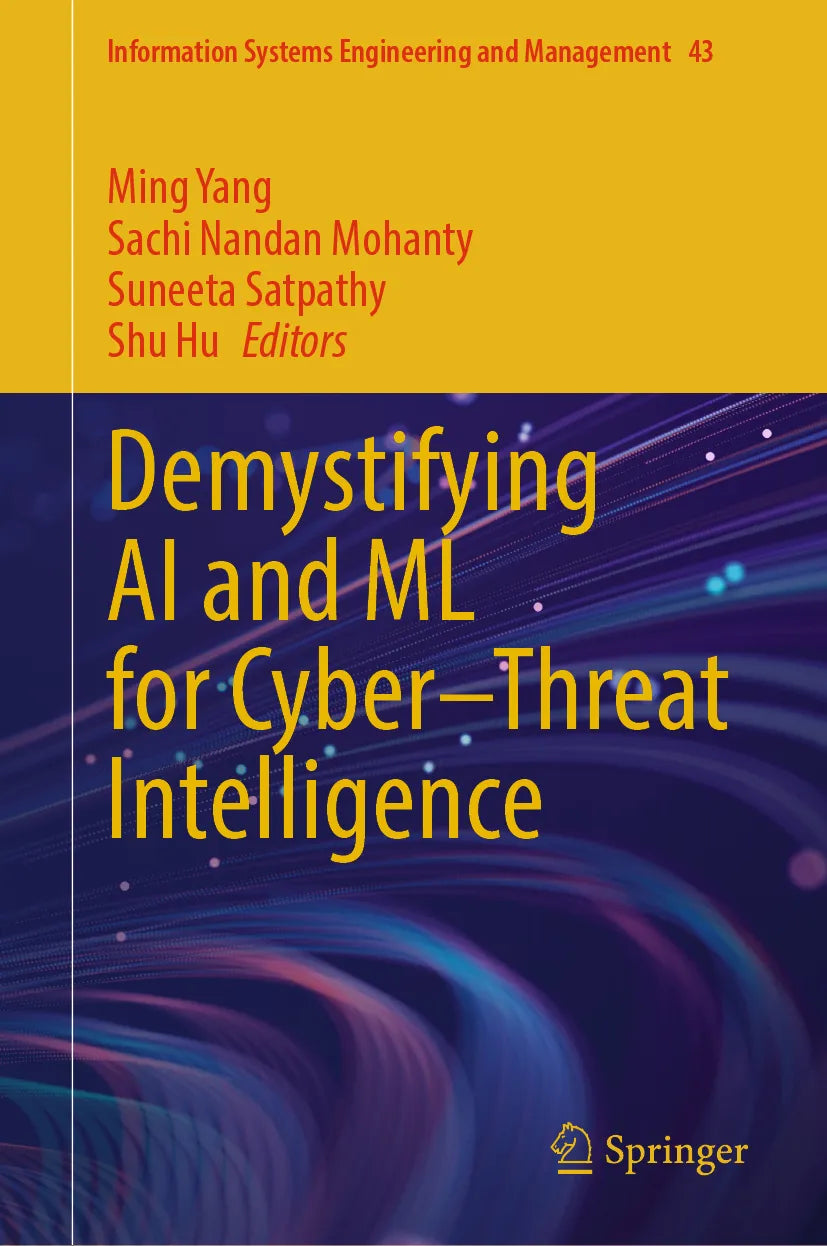
Demystifying AI and ML for Cyber-Threat Intelligence

Angebot€203,29
inkl. MwSt. • Kein physischer Versand
Sofort per Download lieferbar
Ihr Downloadlink kommt direkt per E-Mail.
PDF: lesbar auf Smartphone, Tablet, Computer und in vielen PDF-Apps.

E-Book
eBook-Format:PDF
✓14 Tage Widerrufsrecht
✓Sicher bezahlen – auch auf Rechnung mit Klarna
PayPal Klarna Visa Mastercard Maestro Apple Pay Google Pay
Inhaltsangabe

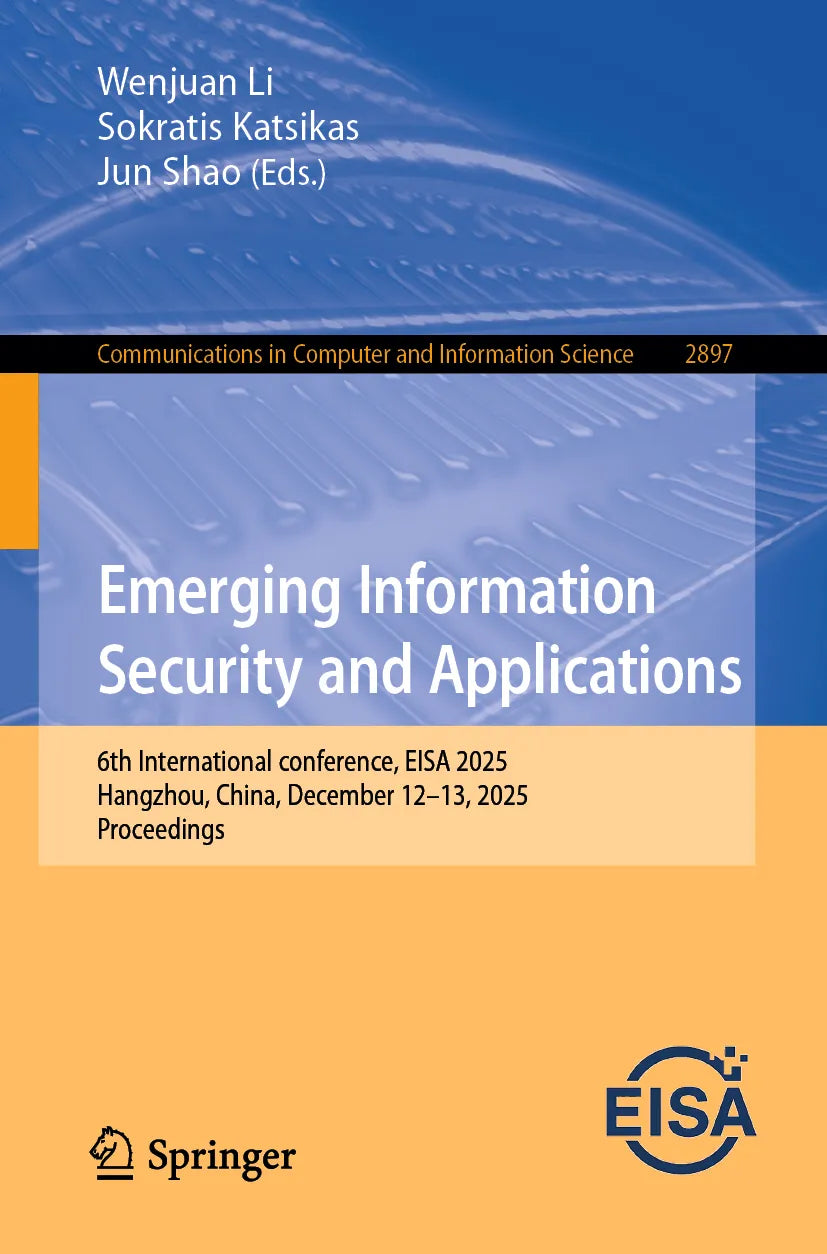
A Comprehensive Review on the Detection Capabilities of IDS using Deep Learning Techniques.- Next-Generation Intrusion Detection Framework with Active Learning-Driven Neural Networks for DDoS Defense.- Ensemble Learning-based Intrusion Detection System for RPL-based IoT Networks.- Advancing Detection of Man-in-the-Middle Attacks through Possibilistic C-Means Clustering.- CNN-Based IDS for Internet of Vehicles Using Transfer Learning.- Real-Time Network Intrusion Detection System using Machine Learning.- OpIDS-DL : OPTIMIZING INTRUSION DETECTION IN IoT NETWORKS: A DEEP LEARNING APPROACH WITH REGULARIZATION AND DROPOUT FOR ENHANCED CYBERSECURITY.- ML-Powered Sensitive Data Loss Prevention Firewall for Generative AI Applications.- Enhancing Data Integrity: Unveiling the Potential of Reversible Logic for Error Detection and Correction.- Enhancing Cyber security through Reversible Logic.- Beyond Passwords: Enhancing Security with Continuous Behavioral Biometrics and Passive Authentication.

Produktdetails
  • Erscheinungsdatum: 16.08.2025
  • Autor/Autorin: Ming Yang
  • Reihe: Intelligent Technologies and Robotics (R0)
  • Format: E-Book
  • Dateiformat: PDF
  • Kopierschutz: Wasserzeichen
  • Dateigröße: 27.3 MB
  • Verlag: SPRINGER
  • Sprache: Englisch
  • Umfang: 628 Seiten
  • ISBN: 9783031907234
  • Lieferung: Sofort per Download
  • Hinweis: Sofort per Download lieferbar. Kein physischer Versand.
  • Kompatibilität: Lesbar auf Geräten und Apps mit PDF-Unterstützung.
Darum lohnt sich dieses Buch

Describes the use of artificial intelligence and machine learning to analyze and understand cyber-attack operations Presents the AI foundations for cyber security and cyber threat detection Explores and explains threat intelligence

Herstellerinformationen
Springer Nature Customer Service Center GmbH

Email: ProductSafety@springernature.com

Weitere E-Books von Ming Yang

Basic Theories of Intellectual Property Transaction

€160,49

From the perspective of the market, this book discusses the basic theories and operation mechanism of intellectual property transactions based on the behavior choice theory, aiming to deeply understand how the specific systems and rules of intellectual property are operated or applied beyond the external form of system application.

China's long-standing intellectual property legal doctrines and the corresponding knowledge system (whether legislative, judicial or theoretical research) deserve reflection in three aspects: (i) the neglect of market principles; (ii) the lack of behaviorism research perspectives and methods, and (iii) the lack of systematic degree of existing research. This book is an introspection on the basic theoretical research of intellectual property in China from the above three aspects.

This book closely focuses on the coupling relationship between "system implementation" and "behavior choice," along with the logical context of intellectual property transactions, the institutional mechanism behind the specific transaction forms is investigated, and its benefits are analyzed. And, the essence of the economic mechanism of the intellectual property system is deeply interpreted from both theoretical and practical aspects.

The target audience is intellectual property law researcher, and the content level is the theoretical foundation research.

Starting from the principles of the entitlement of intellectual property, this book tries to reveal the institutional implication of the creation of right, the boundary of right and the attribute of right. And, this book also tries to sort out the matching attribute between the existing intellectual property systems and the operation of the intellectual property market. Finally, by analyzing the correlation between the market environment and the subject's behavior choice, this book tries to clarify the internal logic between "system," "market" and "behavior." These aforesaid features will help IP researchers deeply understand how existing legal systems and rules affect specific intellectual property transactions.

Zum Buch