Teil der Reihe: Biomedical and Life Sciences (R0)
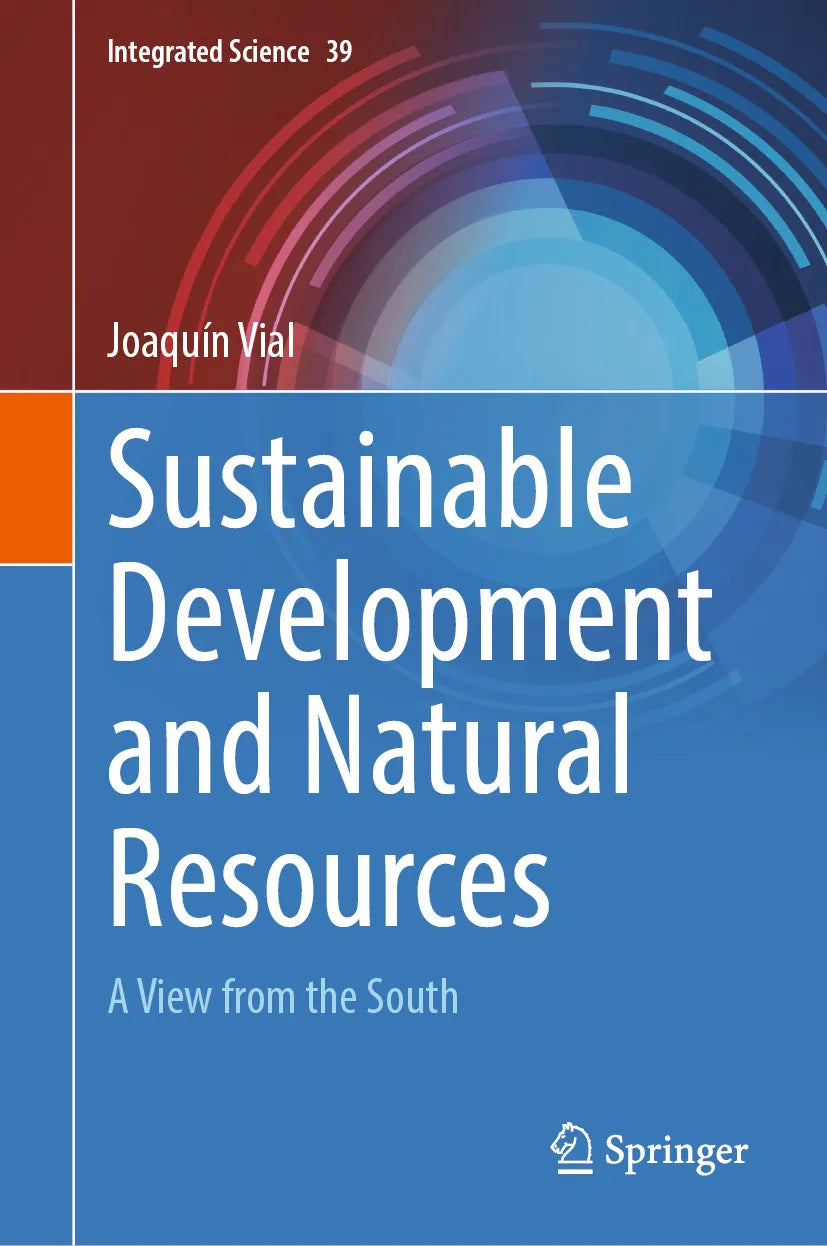
Sustainable Development and Natural Resources
Inhaltsangabe
Introduction.- Part I. Global economic development and the impacts on Nature. A historical perspective.- Chapter 1. Challenges for economic convergence from Natural limits.- 1.1. The double explosion of the human footprint and the pressure on Nature's services.- 1.2. From Malthus to Solow: Why did Nature disappear from the analysis of economic development?- 1.3. Restoring the role of Nature: Lewis, Nordhaus and Dasgupta.- 1.4. Three levers to rescue a sustainable trajectory of economic progress at a global level.- Chapter 2. Economic development in a historical perspective.- 2.1. The Industrial Revolution and the second takeoff of Humanity.- 2.2. Industrial Revolution, international trade and the “Great Divergence”.- 2.3. Globalization, convergence and new actors in the 21st century Economy.- 2.4. Economic globalization and its environmental impacts.- Chapter 3. Development experiences of Latin America.- 3.1. A quick look at the Development of Latin America.- 3.2. Trends and evolution of foreign trade in the region.- 3.4. Is specialization in natural resources an anomaly?- 3.5. Latin American development, natural capital and “weak sustainability”.- Chapter 4. Challenges of natural resource dependence.- 4.1. Non-renewable natural resources, rising costs and rent capture.- 4.2. Interactions and tensions and between natural resources and other resources.- 4.3. Macroeconomic challenges of natural resource dependence.- Part II. The “demographic lever”: moving towards a sustainable trajectory of the population.- Chapter 5. Demographic transition and economic development.- 5.1. Trends in the demographic transition and its determinants.- 5.2. Demographic transition and its possible effects on economic growth.- 5.3 Demographic transition, population aging and social security.- Chapter6. Population evolution, human footprint and sustainability.- 6.1 . Is Latin America an “underpopulated” region?- 6.2. Population, land use and sustainability.- 6.3. “Demographic crisis” and sustainable development.- Part III. The “lever of material consumption” and the services of Nature.- Chapter 7. Trends in global consumption and human footprint.- 7.1. Global trends in consumption and human footprint.- 7.2. Tensions between global economic convergence and sustainability.- 7.3. Future consumption patterns and human footprint.- Chapter 8. Non-renewable resources and sustainability of economic growth.- 8.1. How much do we depend on Nature's resources?- 8.2. Is there evidence of scarcity of non-renewable resources?- 8.3. Role of technology in alleviating shortages.- 8.4. Limitations of markets to signal scarcity of non-renewable resources.- Chapter 9. Renewable resources: Why are they overexploited?- 9.1. Challenges for an efficient exploitation of renewable resources.- 9.2. Is there evidence of scarcity of renewable resources?.- 9.3. Overexploitation of renewable resources: impatience and the cost of waiting.- 9.4. Overexploitation of renewable resources : common property.- 9.5. Overexploitation of renewable resources: externalities.- Part IV. The “lever of efficiency” in the use of Nature.- Chapter 10. Human footprint and deterioration of ecosystem services.- 10.1. Panorama of the state of Nature and ecosystem services.- 10.2. Economic development, poverty and deterioration of Nature.- 10.3. Measuring the value of ecosystem services.- 10.4. Protection and recovery of the integrity of ecosystems.- Chapter 11. Global warming: origin and nature of the problem.- 11.1. Level and origins of GHG emissions.- 11.2. Direct impacts of climate change.- 11.3. Climate change mitigation and the risks of transition.- 11.4. The challenges of adaptation in the region.- 11.5. Tensions between economic convergence and global sustainability.- Chapter 12. A possible trajectory for sustainable socio-economic convergence.- 12.1. Synergies between nature preservation and emissions mitigation.- 12.2. The macroeconomics of sustainable development with non-renewable resources.- 12.3. Institutional challenges for the sustainable exploitation of renewable resources.- 12.4. Challenges to achieve global convergence in incomes in a warming world.- Final thoughts.
Produktdetails
- Erscheinungsdatum: 23.01.2026
- Autor/Autorin: Joaquín Vial
- Reihe: Biomedical and Life Sciences (R0)
- Format: E-Book
- Dateiformat: PDF
- Kopierschutz: Wasserzeichen
- Dateigröße: 17.4 MB
- Verlag: SPRINGER
- Sprache: Englisch
- Umfang: 285 Seiten
- ISBN: 9783032122636
- Lieferung: Sofort per Download
- Hinweis: Sofort per Download lieferbar. Kein physischer Versand.
- Kompatibilität: Lesbar auf Geräten und Apps mit PDF-Unterstützung.
Herstellerinformationen
Email: ProductSafety@springernature.com
Wird oft zusammen gekauft