Teil der Reihe: Earth and Environmental Science (R0)
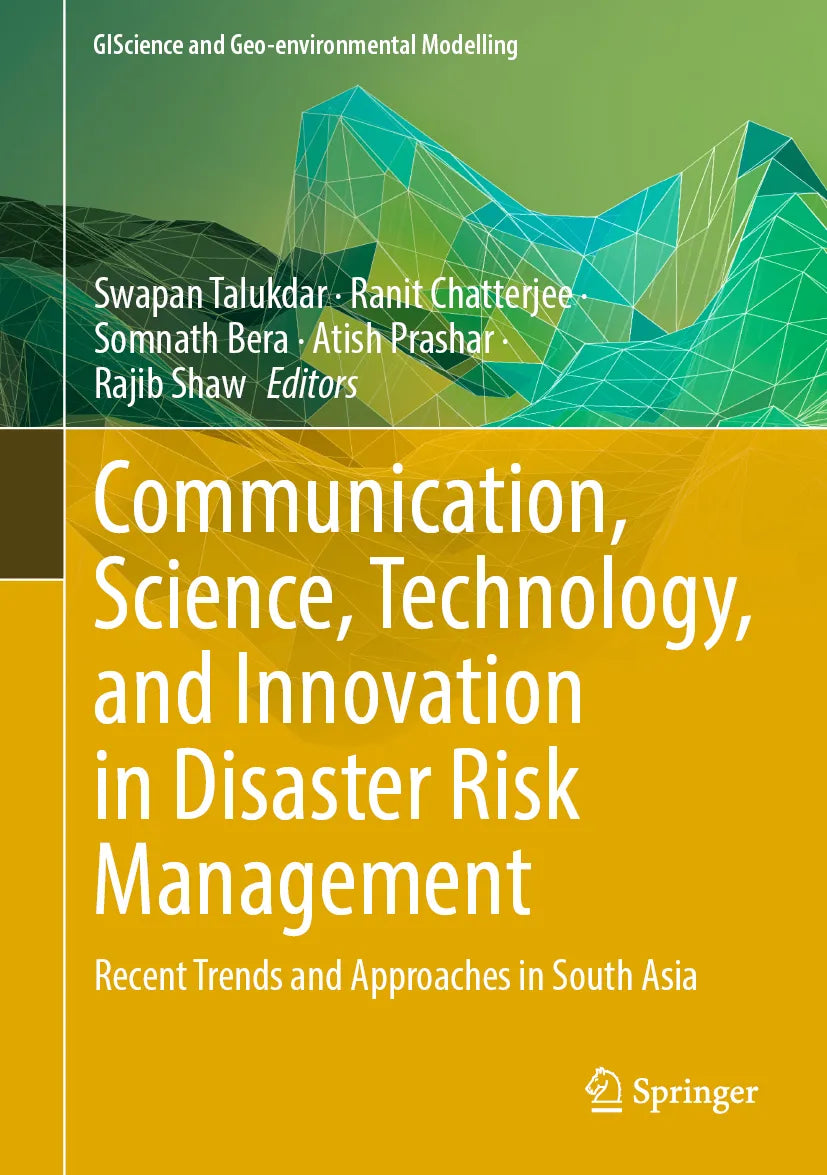
Communication, Science, Technology, and Innovation in Disaster Risk Management
Inhaltsangabe
Introduction of Disaster Risk Management .- Impact of Cyclonic Induced Hazard on Ecotourism in Indian Sunderban Region.- Impact Assessment of Glacial Lake Outbrust Flood (GLOF) on Infrastructure in Nepal Himalaya.- Urban Flood and its Impact on Health in Informal Settlement of Developing Nation: A study from Pune, India.- Communication Strategies in Disaster Risk Reduction: An Systematic Review in Asian and Pacific countries.- Communicating Through Radio in Disaster Early Warning System: The Cases in Coastal India.- Cognitive Dissonance and Disaster Risk Reduction: The Studies in Asian Countries.- Understanding Risk Communication in Covid-19 Disaster Preparedness: An Qualitative Study in Rural and Urban India.- Cascading Hazards Assessment Using Hybrid-machine Learning Algorithms.- Unmanned Aerial Vehicle (UAV)-based Assessment Landslide Monitoring: An Systematic Review.- Improving Debris Flow Modelling Using Machine Learning.- Developing Rainfall Threshold Method for Improving Multi-hazard Emergency Management.- Social Innovation in Disaster Risk Management.- Innovation in Disaster Resilient Energy Infrastructure.- Climate Change and Innovations: Purpose, Impact and Key Considerations for Scaling up.- Challenges and Opportunities in Scaling up Innovations in Disaster Risk Management: Case Study of India.
Produktdetails
- Erscheinungsdatum: 24.03.2025
- Autor/Autorin: Swapan Talukdar
- Reihe: Earth and Environmental Science (R0)
- Format: E-Book
- Dateiformat: PDF
- Kopierschutz: Wasserzeichen
- Dateigröße: 19.8 MB
- Verlag: SPRINGER
- Sprache: Englisch
- Umfang: 218 Seiten
- ISBN: 9783031771897
- Lieferung: Sofort per Download
- Hinweis: Sofort per Download lieferbar. Kein physischer Versand.
- Kompatibilität: Lesbar auf Geräten und Apps mit PDF-Unterstützung.
Herstellerinformationen
Email: ProductSafety@springernature.com
Wird oft zusammen gekauft